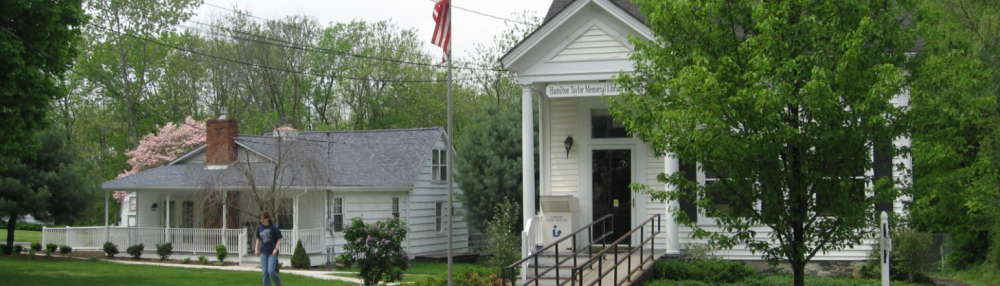
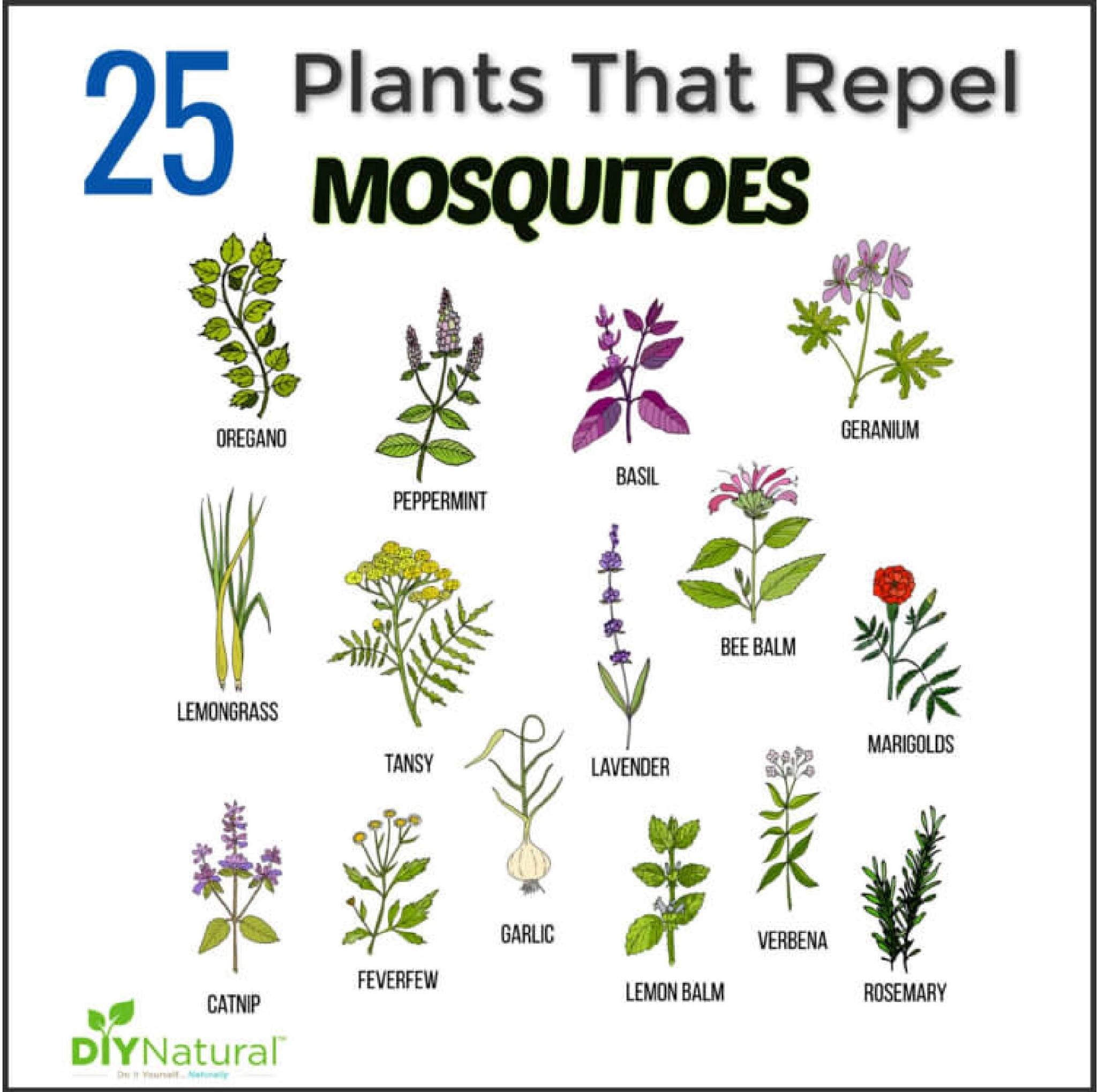
A discussion regarding how to protect yourself and loved ones, pets included, from harmful ticks and mosquitos.
NATIONAL POLLINATORS MONTH
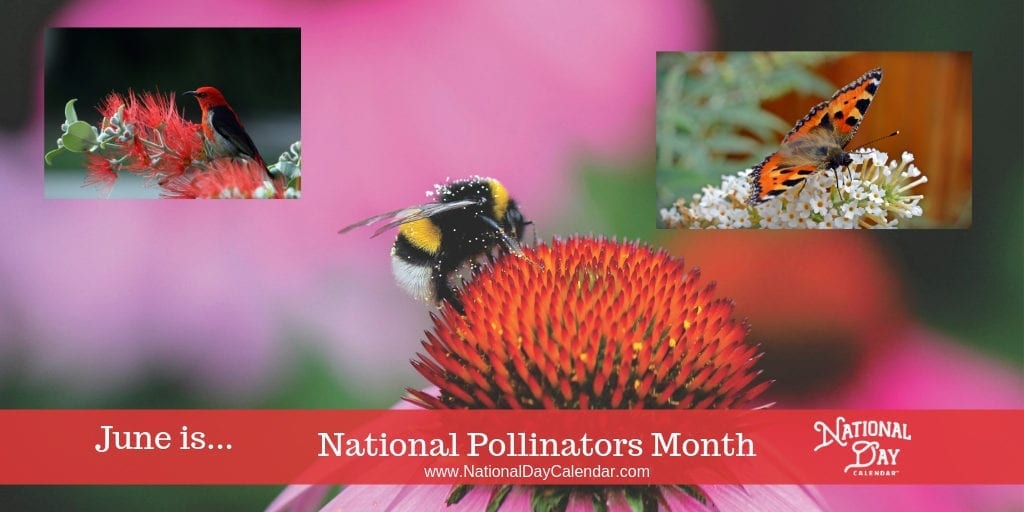
National Pollinators Month in June encourages the planting of pollinator gardens of native, non-invasive pollen and nectar-producing plants. When these gardens bloom, they attract bees, birds, bats, and other natural pollinators.
Each of these creatures makes the difference between valuable fruits and vegetables on our tables and going without. As we plant and encourage these natural habitats, we’re putting food on the table, too. According to the National Wildlife Federation, pollinators are responsible for 1 of every 3 bites we take. That’s a lot of pollinating! And many wildflowers provide more than just something pretty to look at. Their root systems prevent erosion and many of them provide flavorful and healthful teas and herbal remedies.
While we’re planting native flowers and trees, we’re also providing for our future. Pollinators such as the monarch butterfly and the honey bee have been in decline. While all the reasons have not been identified, increasing the available habitat does help! Encouraging the growth of natural habitats also attract pollinators.
HOW TO OBSERVE #NationalPollinatorsMonth #BeeCounted
Do you have a spot that could benefit from a pollinator garden? Well, get planting! Find out which are the best plants for your zone. Visit www.nwf.org to find out more. Honey, you won’t regret it. Try these tips to get started on the right path to a pollinator garden:
- Choose bright flowers – The colors and scent attract pollinators to your garden.
- Plant for every season – While this means primarily to choose a variety of plants so you’re attracting pollinators all year long, it also has another purpose. In the winter, these plants may be dormant, but they will provide a variety of seeds for pollinators to eat, bringing them back year after year.
- Welcome insects – Most of them are pollinators, too. Good bugs have the benefit of helping to keep pests at bay.
- Invite birds to your garden – Add birdhouses, provide seed or flowers they enjoy, supply a water source.
Who are pollinators?
Birds, bats, butterflies, moths, flies, beetles, wasps, small mammals, and most importantly, bees are pollinators!
Due to cloud cover and potential rain tonight’s stargazing event has been rescheduled for tomorrow at 9 pm. If you had signed up you should have received a call from us letting you know. If you are still interested but haven’t signed up call 845-744-4265 ex.2 to do so.
Image
NOT ALL HEROS WEAR CAPES
The Wallkill Reformed Church is hosting a blood drive Tuesday, June 29th from 1-6 pm.
To register online go to http://www.RedCrossBlood.org or call 1-800-733-2767.
Some people have experienced problems registering online, if this happens to you please just call the number provided above.
FIRST FRIDAYS
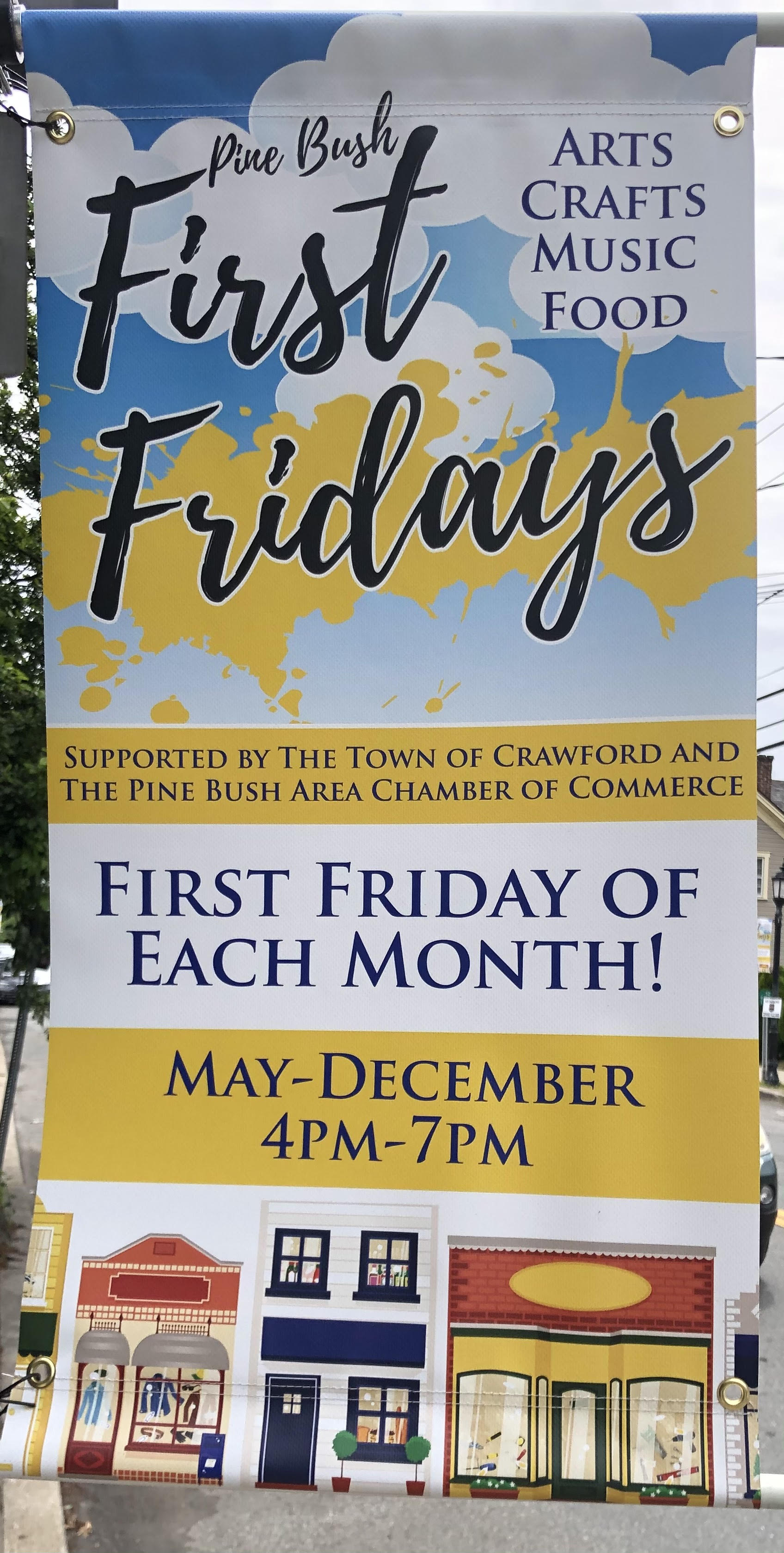
Don’t forget to come out for First Fridays tonight from 4 to 7. Support all of our local business browse, shop and enjoy some wonderful local food.
ALIENS ARE INVADING!
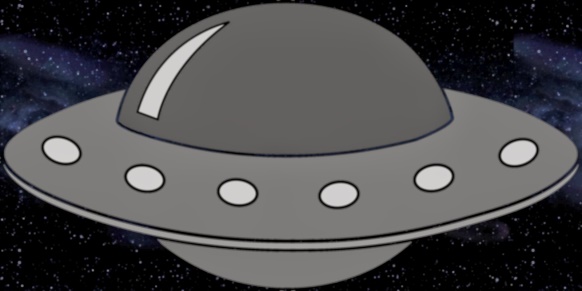
The Pine Bush Area Arts Council has joined forces with the Pine Bush Library and the Town of Crawford in promoting more business and tourism. With the opening of the UFO and Paranormal Museum and with UFO Day in the fall, the PBAAC is looking for artists and anyone interested in painting/decorating an alien or flying saucer cut out. These cut outs are wood and are primed and ready for you to paint/decorate (whatever product you use must be weather resistant, as these space objects will be exhibited outdoors!) The cost to purchase an alien or flying saucer is $40.00. If you are interested, please call (845) 744-4265 x2 to reserve one.
The Pine Bush Library will be a landing site for our alien visitors. Please have your aliens and flying saucers land at the Library by 1:00 pm, August 11th for a photo op! After the photo op, the cut outs will be displayed around Town. At the end of September, you can retrieve your aliens/flying saucers for your own personal use!
PINE BUSH MOVIE
A brief history of Pine Bush told with pictures and paintings.
We would like to thank Lynn Foote for putting this together.
Rave Reviews by Jean E. Eustance June 2021
June is a good month for graduations, so let’s look at Very Good Lives by J.K. Rowling. You say, “J. K. Rowling? She wrote Harry Potter. What is this Very Good Lives?”
It is the commencement address that she gave at Harvard University, in 2008. She published it as a small book, a few years later, and we have a copy of it in the Pine Bush Area Public Library, upstairs in the non-fiction section. It is not a children’s book.
She started off her speech to the graduating class of 2008 with, “The first thing I would like to say is ‘thank you.’ Not only ha Harvard given me an extraordinary honor, but the weeks of fear and nausea I have endured at the thought of giving this commencement address have made me lose weight. A win-win situation! Now all I have to do is take deep breaths, squint at the red banners, and convince myself that I am at the world’s largest Griffindor reunion.”
J. K. Rowling talked about how her parents wanted her to get a vocational degree. The creator of Harry Potter said, “I was convinced that the only thing I wanted to do, ever, was write novels. However, my parents, both of whom came from impoverished backgrounds and neither of whom had been to college, took the view that my overactive imagination was an amusing personal quirk that would never pay a mortgage or secure a pension. I know that the irony strikes with the force of a cartoon anvil now.”
The book’s subtitle is “The fringe benefits of failure and the importance of imagination.” She said, “A mere seven years after my graduation day, I had failed on an epic scale. An exceptionally short-lived marriage had imploded, and I was jobless, a lone parent, and a poor as it is possible to be in modern Britain without being homeless. The fears that my parents had had for me, and that I had had for myself had both come to pass, and by every standard I was the biggest failure I knew.”
J. K. Rowling went on to talk about imagination. She had worked at the African research department of Amnesty International’s headquarters in London. It was an eye-opener to the horrors that people can inflict upon people. She said that imagination is important because it lets us think ourselves into other people’s places.
There’s a lot of good stuff in this little book, and you’ve really got to read it, yourself. Let me finish with her words. “We do not need magic to transform our world: we carry all the power we need inside ourselves already; we have the power to imagine better.” Then she wished the graduating class Very Good Lives.
Coping With Covid
The Pine Bush Library Presents; Coping With Covid. Join Mark Lelah LCSW as he shows us some tips and tools to help us deal with the aftermath of Covid.
Image
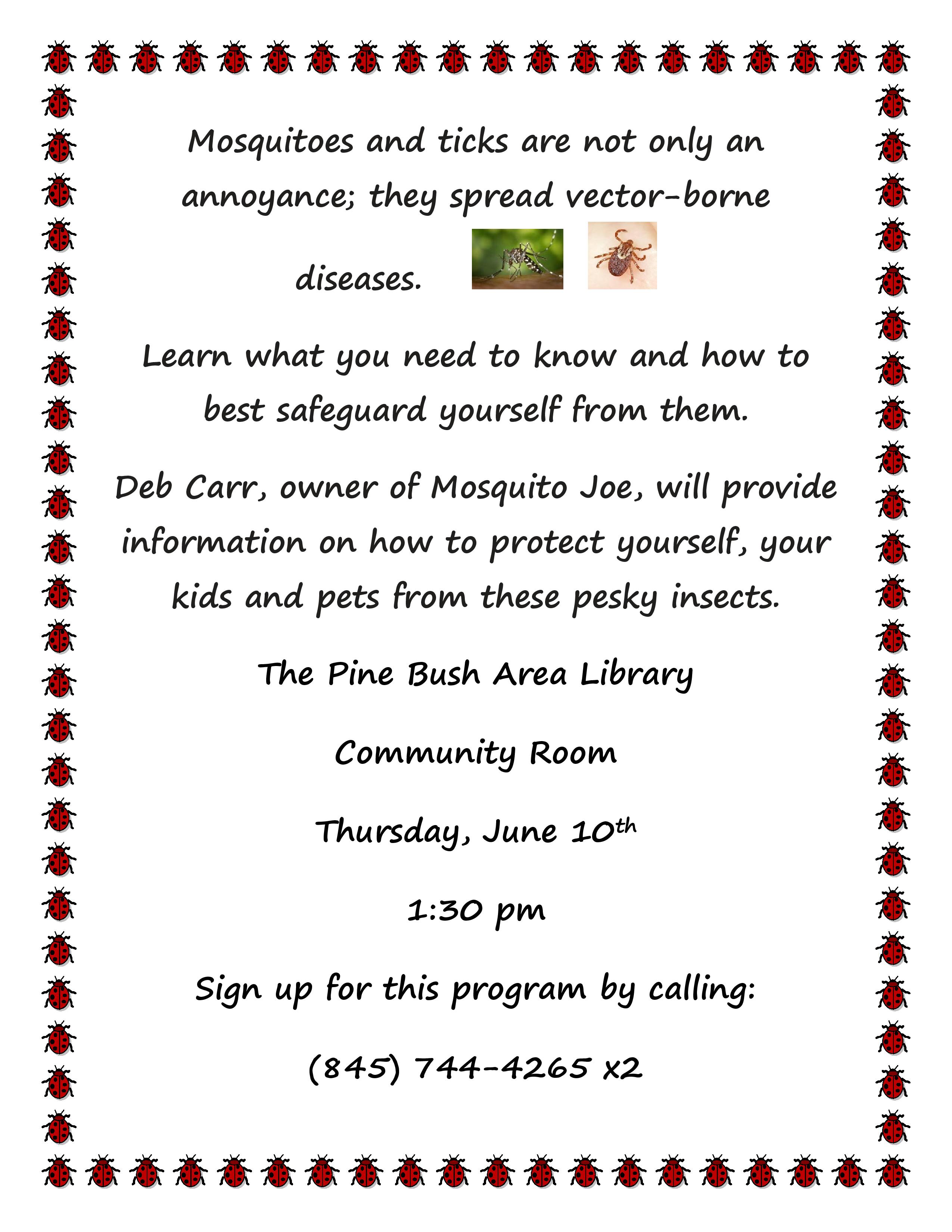
KEEP THOSE BLOODSUCKERS AWAY THE NATURAL WAY
Image
Helen M. Farrell: What is depression? | TED Talk
Depression is the leading cause of disability in the world; in the United States, close to ten percent of adults struggle with the disease. But because it’s a mental illness, it can be a lot harder to understand than, say, high cholesterol. Helen M. Farrell examines the symptoms and treatments of depression, and gives some tips for how you might help a friend who is suffering.
Image
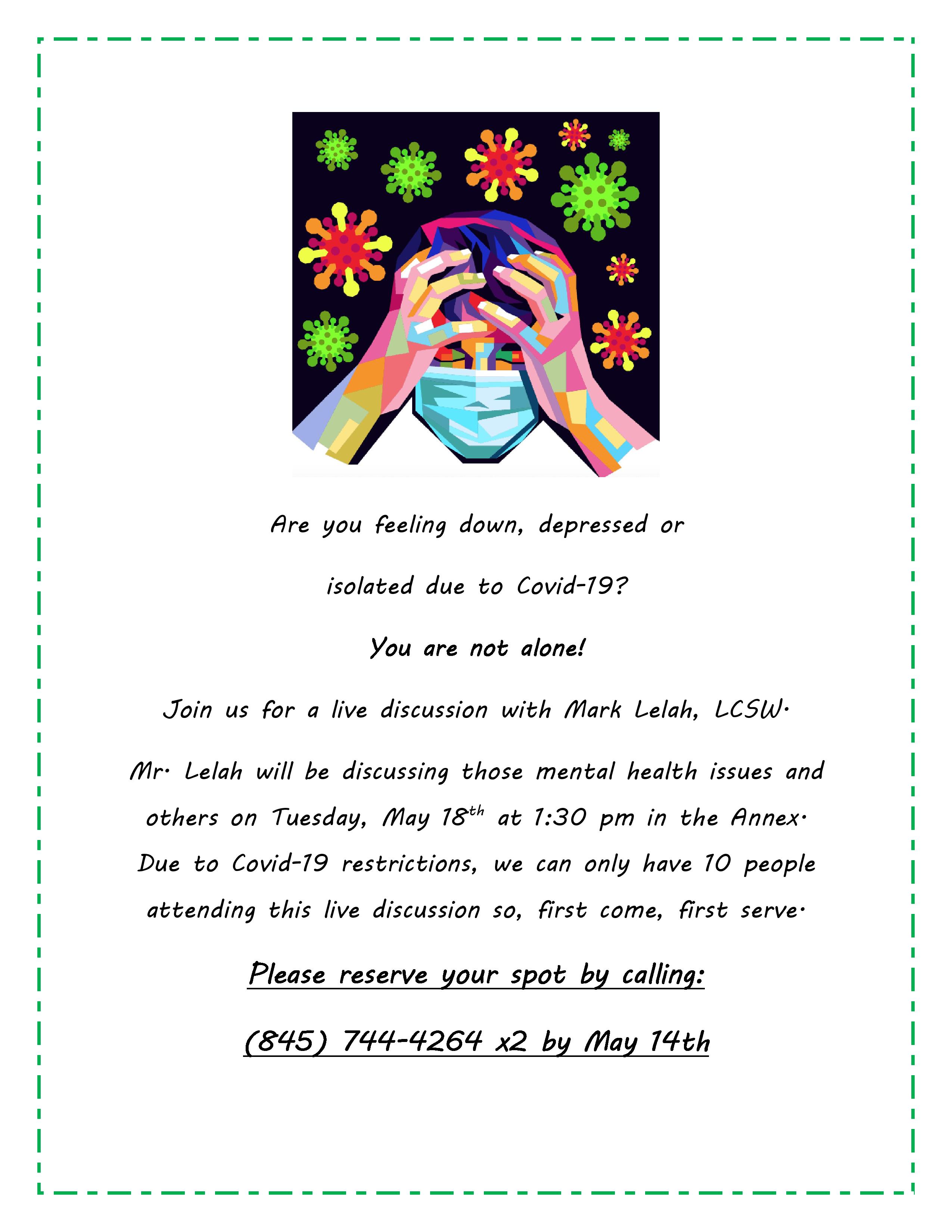
OWNERS MANUAL FOR YOUR MIND
Start the Conversation
Story Time on the Lawn
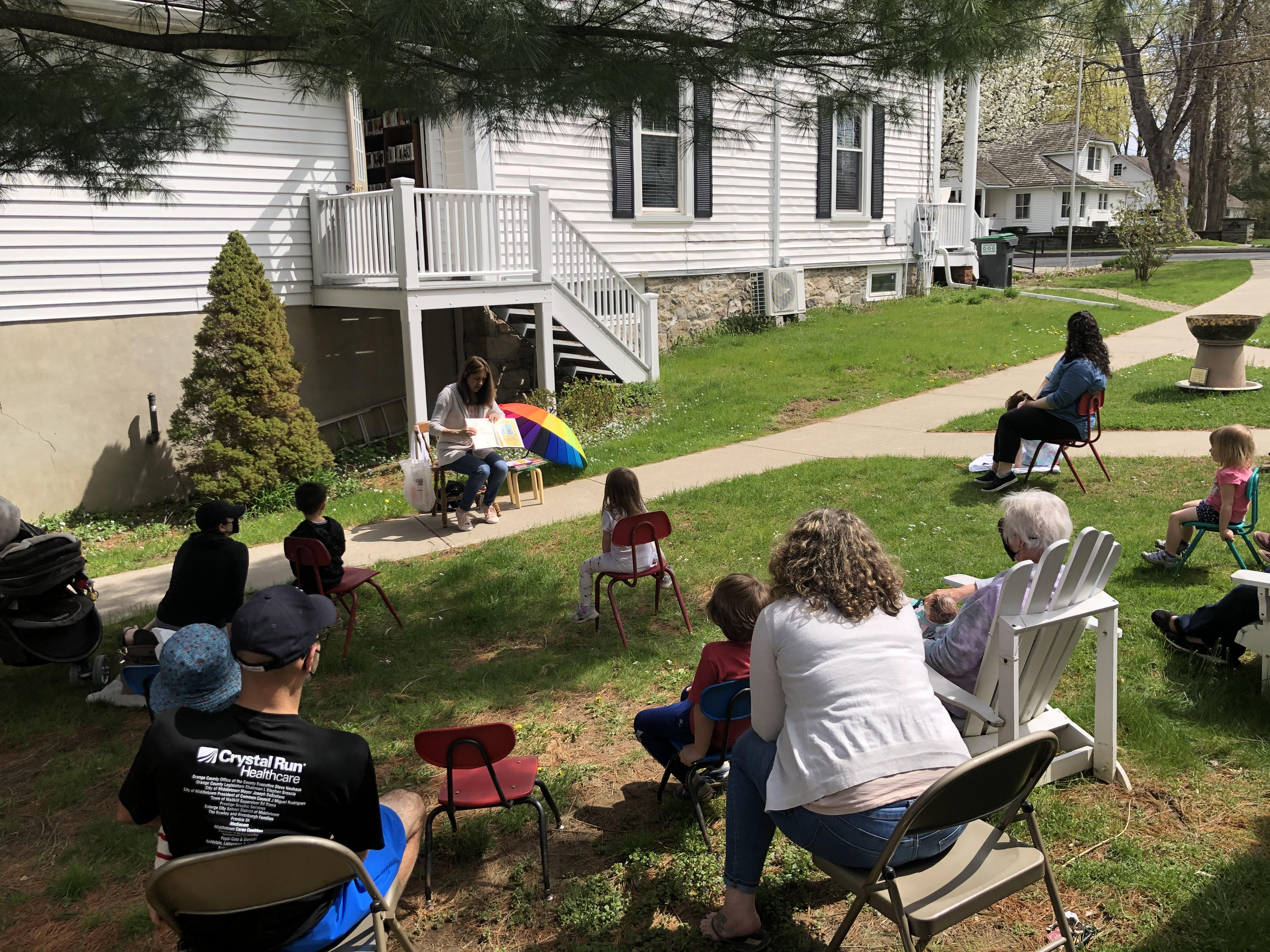
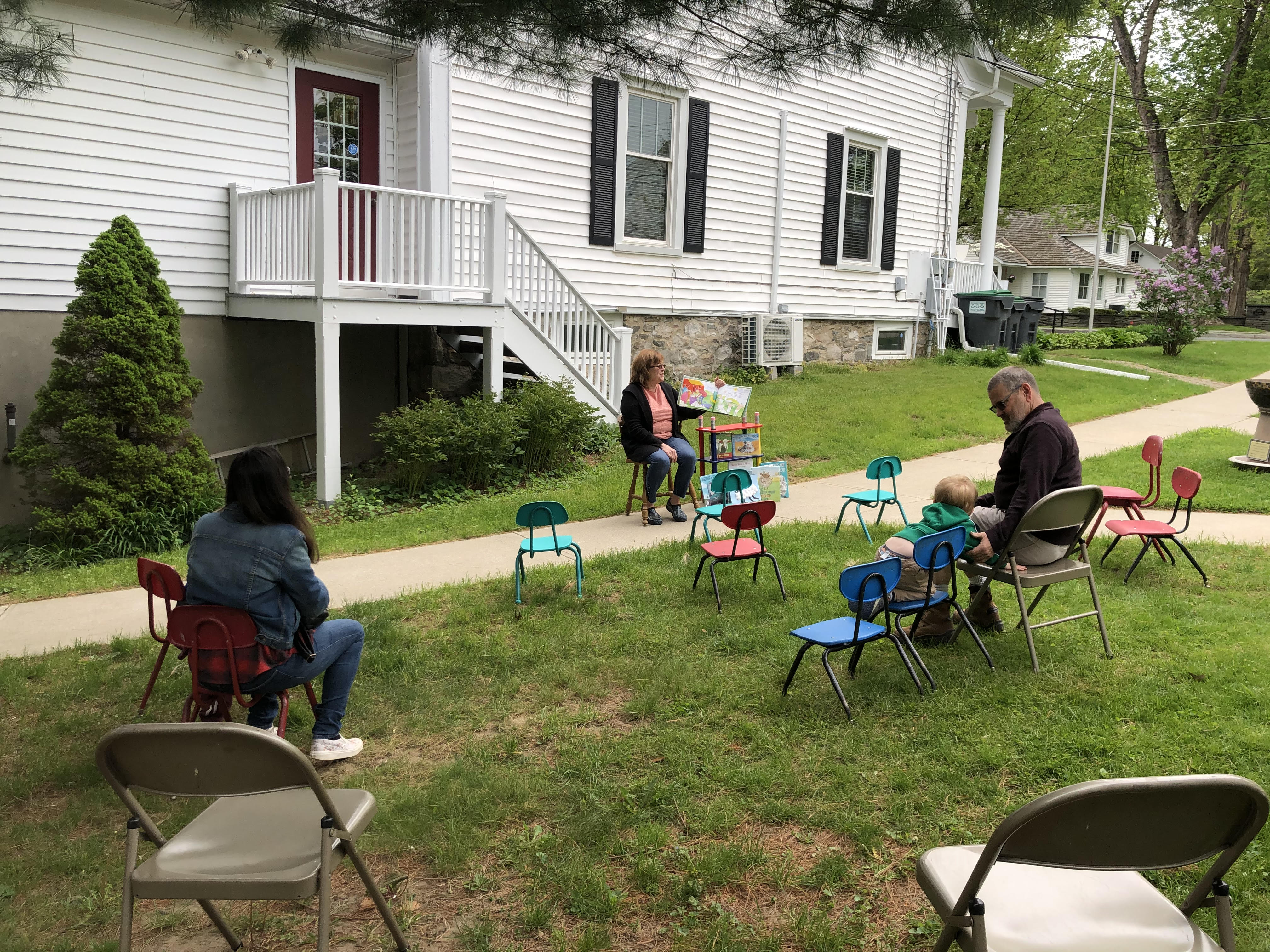
Join us for our outdoor story time.
Miss Lucy’s Toddler Story Time: Every Monday 10 am.
Miss Chrissy’s Pre-K Story Time: Every Wednesday at Noon.
Please call 845-744-3375 ex 3 to register in advance.
See you on the lawn!
 Pine Bush Area Public Library
You must be logged in to post a comment.