
Click the link below and take a quick 5 minute survey.


Our March News Letter is now out. Click the link below to view it.
https://www.libraryaware.com/1344/Posts/View/fd285369-64cc-4d3d-8a1e-0e10104d769c?SID=
If you would like to get a copy of our newsletter sent directly to your inbox send us your email in a direct message, email us at PBL@rcls.org or sign up in person when you come visit the library.

With another (and hopefully our last) winter storm coming please call 845-744-3375 to see if the Pine Bush Library is open before you leave the house tomorrow. Delay/Closing information will also be posted here on our Facebook page and website as soon as possible.
If you have an AARP Tax Aid appointment for tomorrow and have made previous arrangements please call 845-744-4265 ext.2 on Monday, February, 28th anytime after 10 am.
Thank You.
Are children poor liars? Do you think you can easily detect their lies? Developmental researcher Kang Lee studies what happens physiologically to children when they lie. They do it a lot, starting as young as two years old, and they’re actually really good at it. Lee explains why we should celebrate when kids start to lie and presents new lie-detection technology that could someday reveal our hidden emotions.

We still have a few spots open.
Call 845-744-3375 ext. 2 to sign up.

Are you doing your own taxes this year?
Do you need forms?
GOOD NEWS!!!!!!!
State and Federal tax forms have arrived.
If you need any tax forms come by the Pine Bush Library or Community Center. If we don’t have it we can probably print it for you.
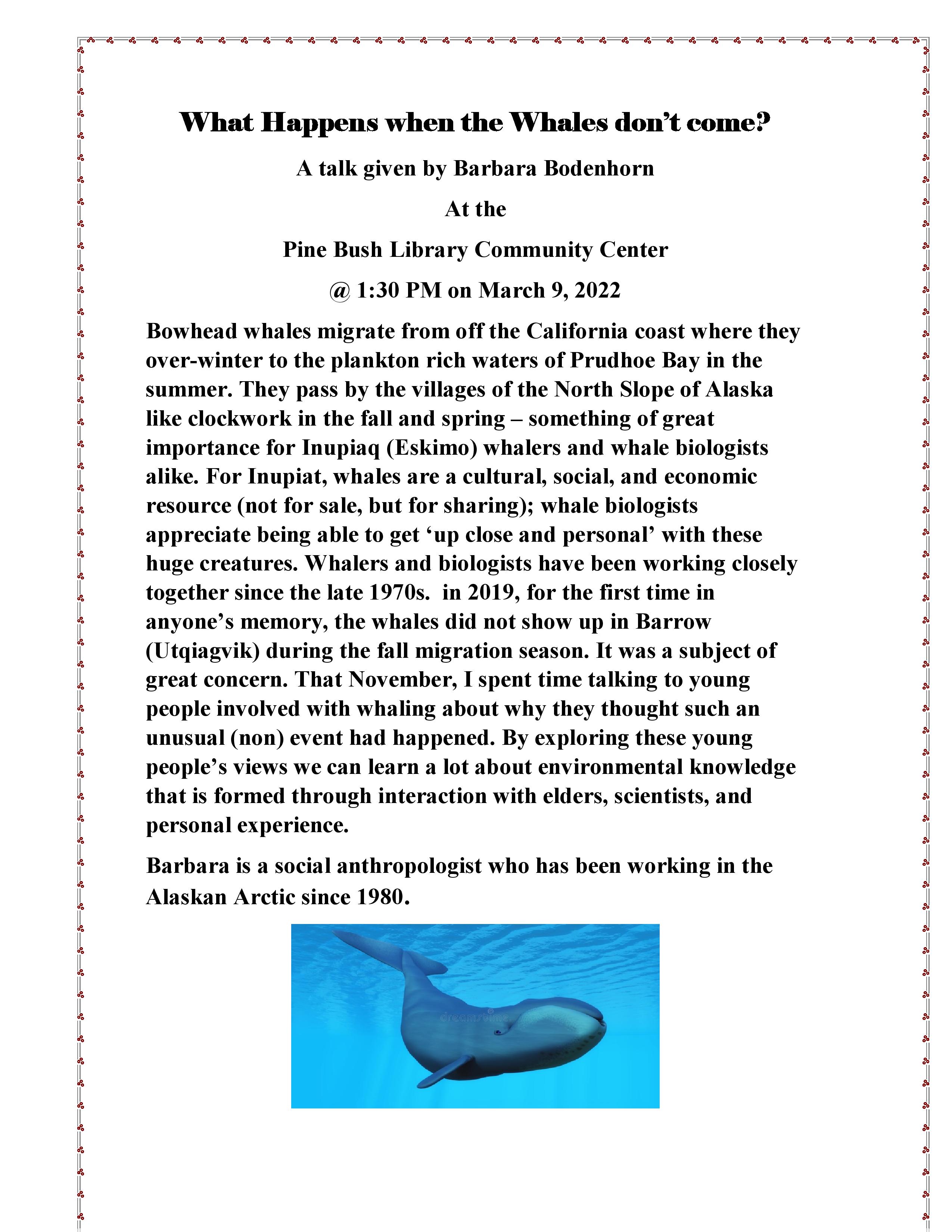
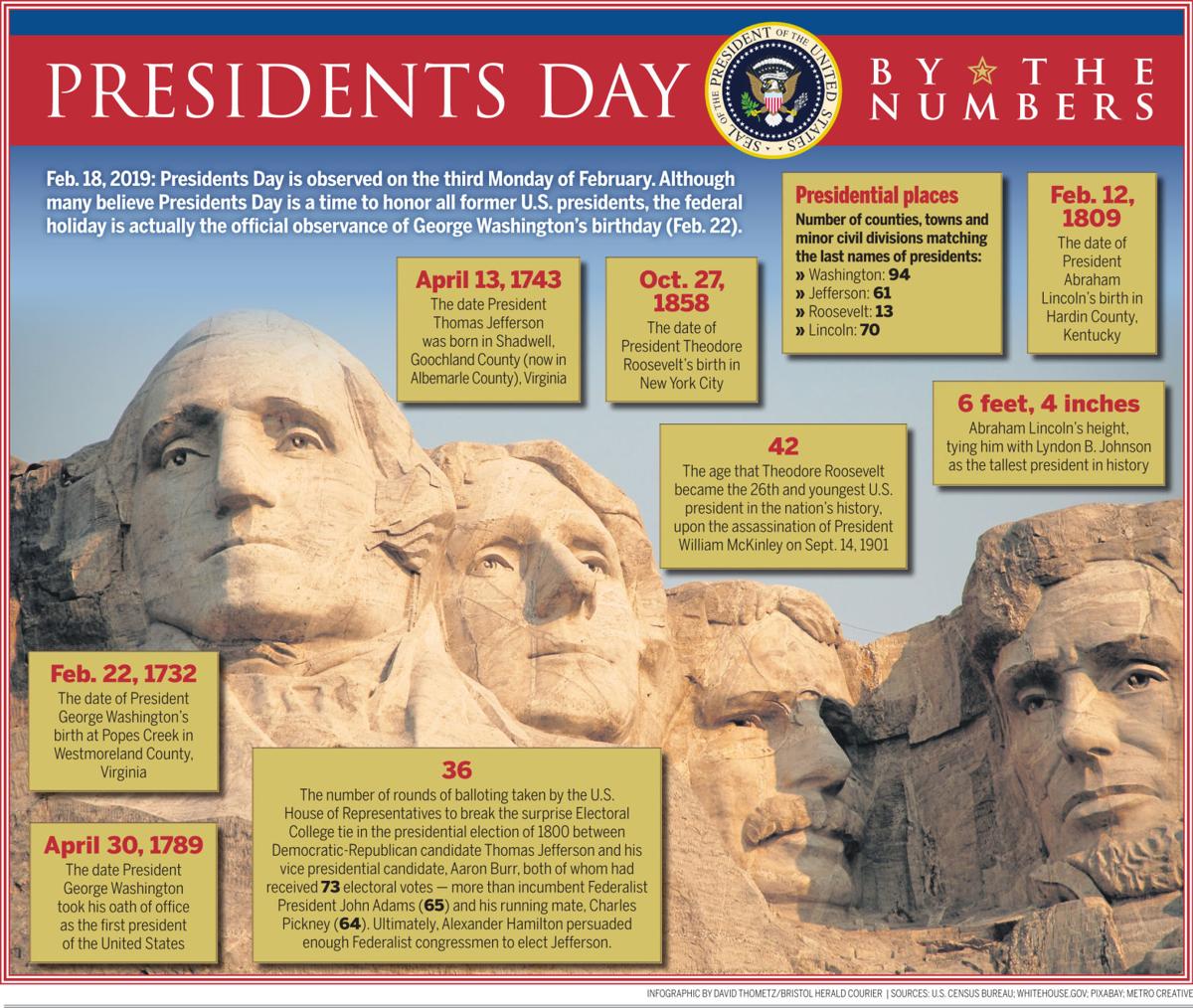
The Pine Bush Library is CLOSED today, we will reopen tomorrow.
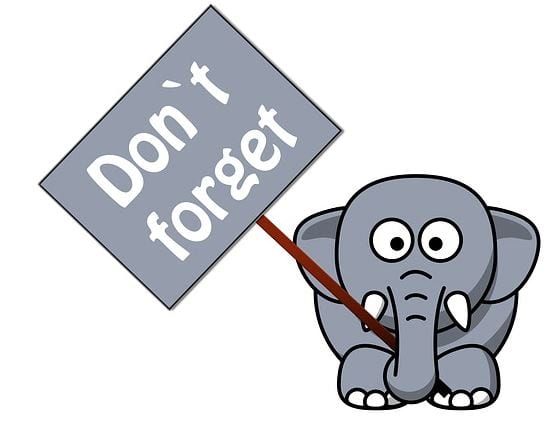
The Pine Bush Library will be CLOSED Monday, February 21st for Presidents Day
In this session we will explore ways to find your inner self and communicate with the universe. Learn to trust your sensing feel and see others on another level of understanding.

“A record of our emotional life is written on our hearts,” says cardiologist and author Sandeep Jauhar.
In a stunning talk, he explores the mysterious ways our emotions impact the health of our hearts — causing them to change shape in response to grief or fear, to literally break in response to emotional heartbreak — and calls for a shift in how we care for our most vital organ.
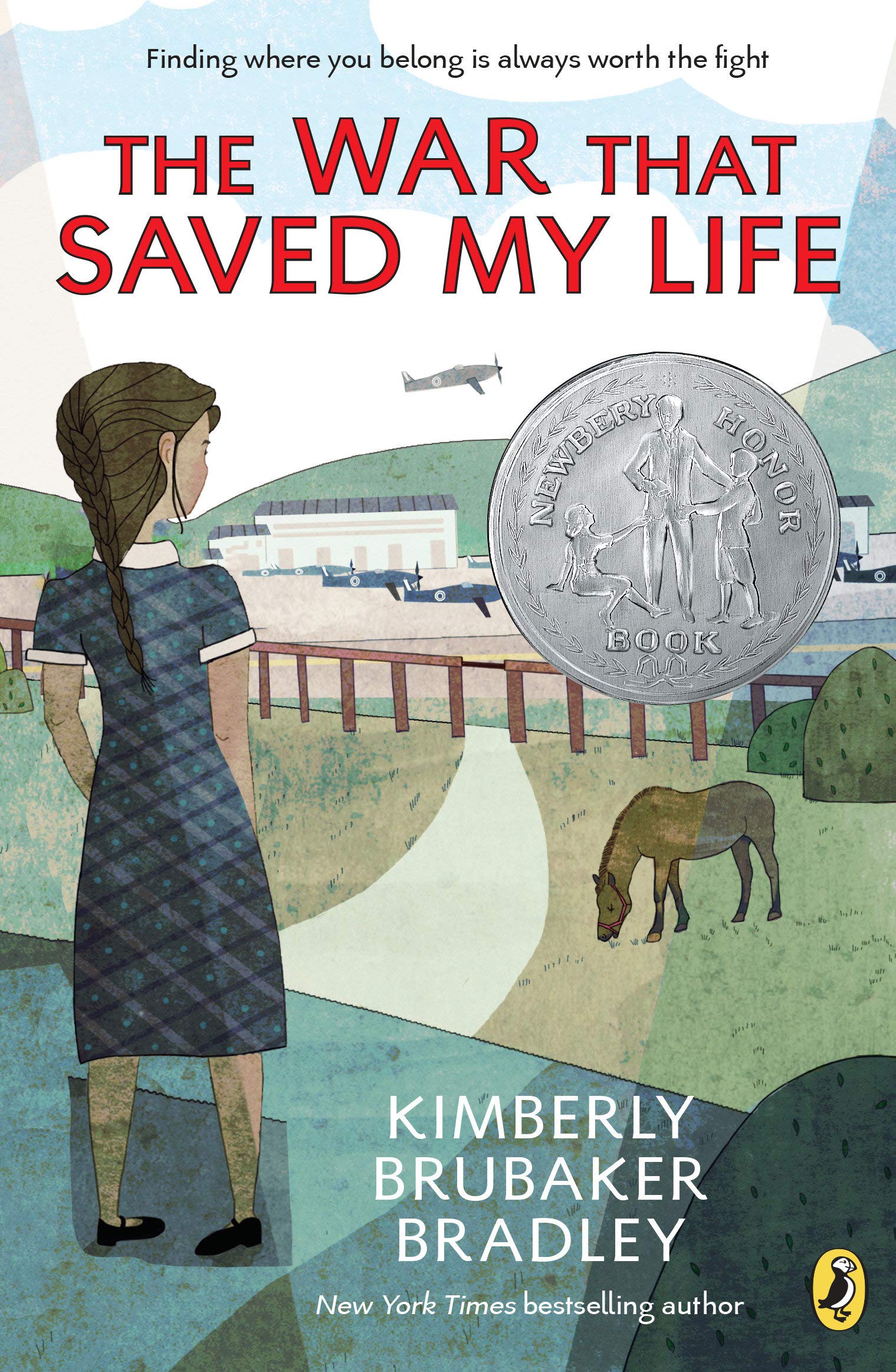
This is the third time I have read The War That Saved My Life and I am acting as if it were the first time. It’s like eating corn chips. I can’t put it down and I can’t do my work, and I keep reading. On the back cover it says, “Puffin Ages 9 and up.” It’s about a damaged girl and her brother, who are evacuated from London at the start of World War II. Get it from the Pine Bush Area Public Library’s Children’s Section. It took the Newbury Honor Award in 2015.
The author Kimberly Brubaker Bradley really knows her business. She has written this book and its sequel, The War I Finally Won, and set them in London and in Kent, England. Ada Smith and her brother Jamie live with their horrid mother in a one-room flat over a pub in the East End of London. Jamie is about age six, and Mam has just started to let him go to school, so he knows that the local children are to be evacuated, because people expect that London will be bombed. Ada determines to go with him to get them both away from Mam. Their mother abuses them and has kept Ada (about age ten) a prisoner inside their one-room flat, all her life. Ada has a club foot, and her mother uses that as an excuse to torment her. She likes to stuff Ada into a cabinet under the sink, and not let her out for hours.
This does not appear in the first few chapters. We learn how miserable Ada’s and Jamie’s lives have been, later, as Ada thinks about this. They escape with the other children to a small village in Kent, on the south coast. No one wants to take Ada and Jamie into their homes. They are dirtier than the other children, and their clothes are ragged. Lady Thorton, in charge of the local Women’s Volunteer Service, foists them off on an unmarried woman with a small cottage—and a field with a pony in it. The pony is the saving grace, as far as Ada is concerned. She does not know what to think about Miss Susan Smith, but she loves her pony, Butter.
Susan Smith is a really decent woman who cares for the kids, and ends up loving them but Ada has never been loved before, and does not recognize it. Ada is damaged in her mind, as well as in her club foot, which could have been repaired easily when she was a baby, if her horrible Mam had ever wanted to bother.
Ada is heroic, although she does not realize this. You watch her struggling with life and you can’t look away. Several small points—she has been kept in one room all her life, and she doesn’t know what grass is. She doesn’t know what the sea is, and Britain is an island! She doesn’t know what love is, either. Things are going to improve, but the war heats up—and then Mam, the horrible Mam, shows up to snatch the children back to London. WHAT NEXT? As I said, it’s like eating corn chips. Pick it up, quick, and gobble down this book.

Due to icy conditions, the Pine Bush Library is CLOSED today.

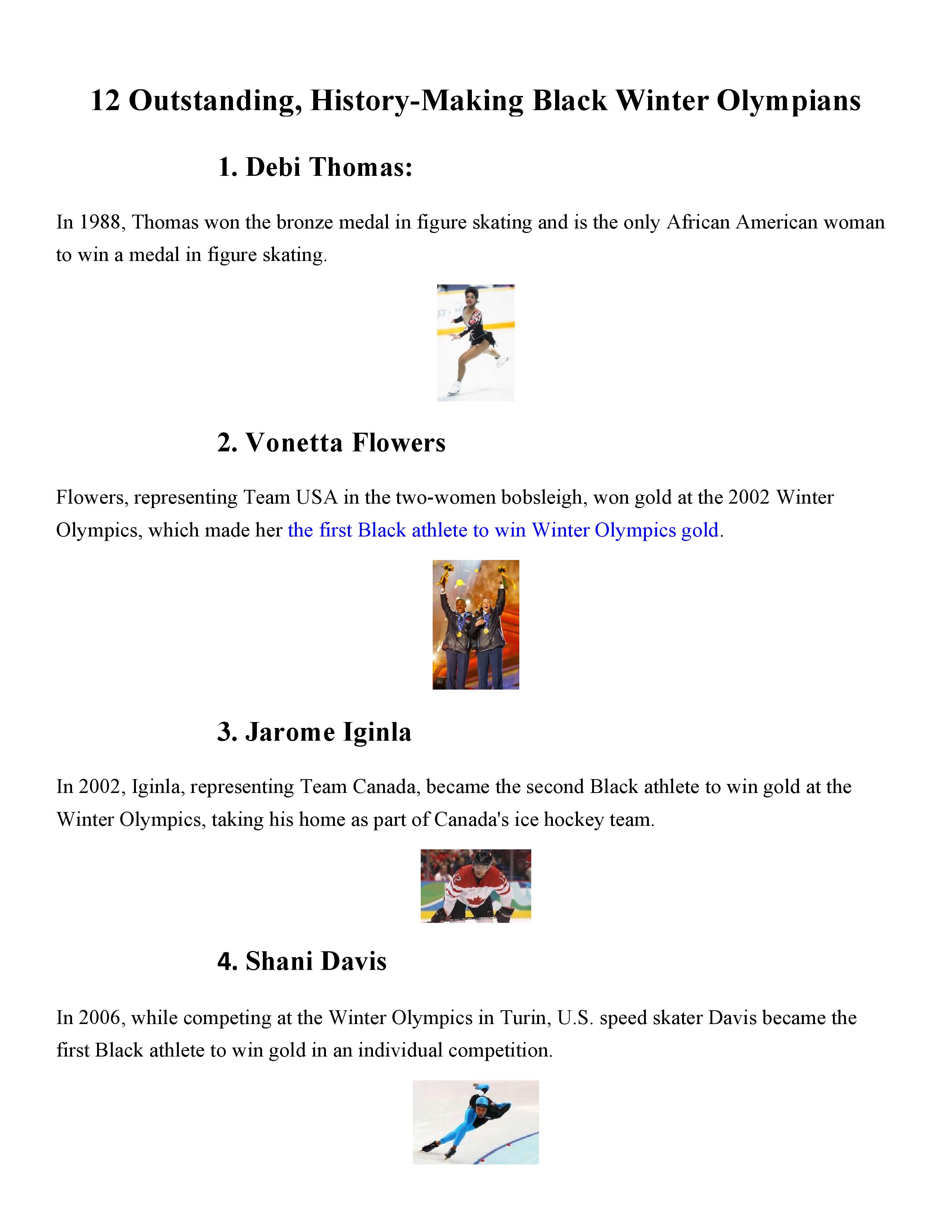
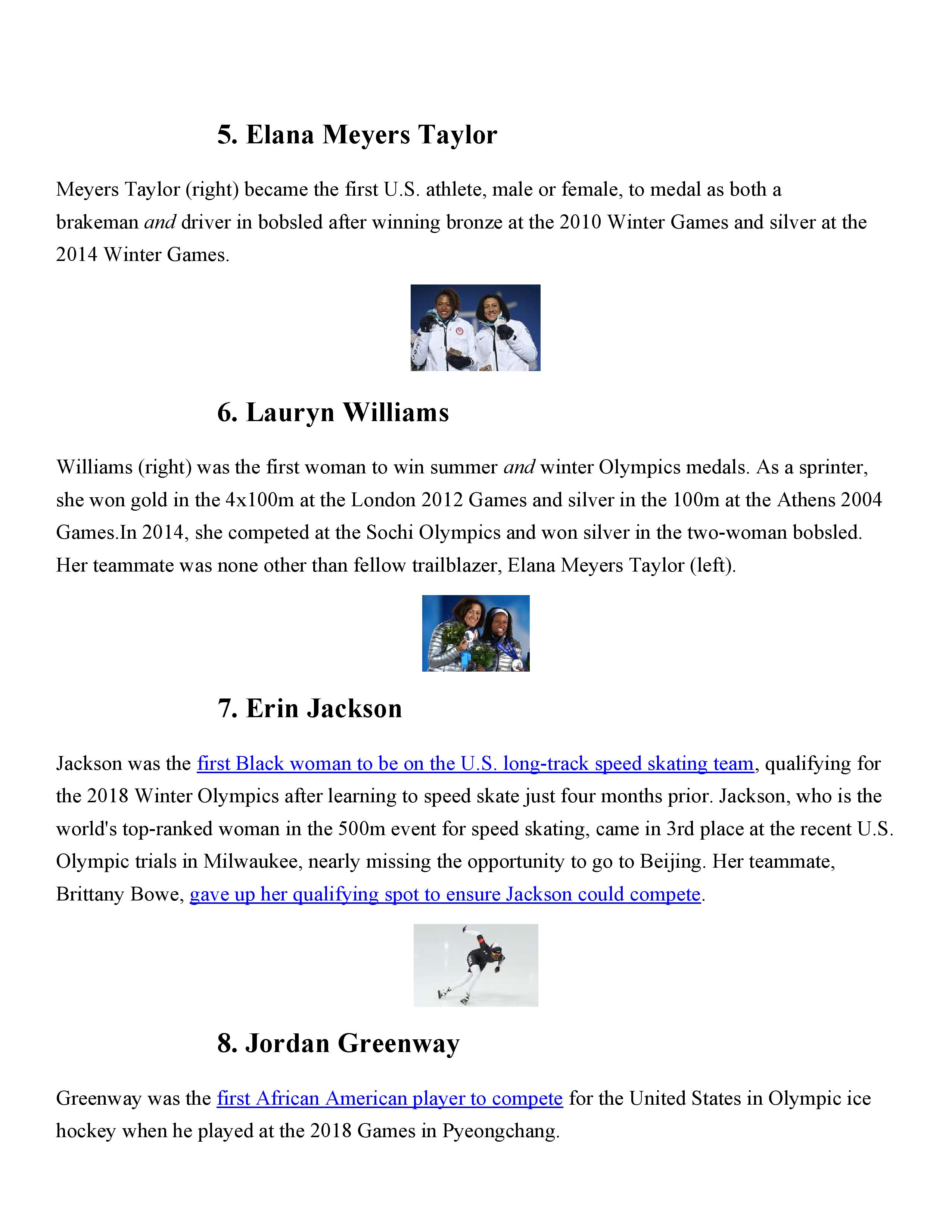
Join the Pine bush Library in honoring the contributions and sacrifices of African Americans who have helped shape the nation. Black History Month celebrates the rich cultural heritage, triumphs and adversities that are an indelible part of our country’s history.


 Pine Bush Area Public Library
You must be logged in to post a comment.