
Don’t forget to come by the community center tomorrow from 10 to 1 for some homemade treats and tea.
Don’t forget to come by the community center tomorrow from 10 to 1 for some homemade treats and tea.
How can we begin to understand the way the brain works? The same way we begin to understand a city: by making a map. In this visually stunning talk, Allan Jones shows how his team is mapping which genes are turned on in each tiny region, and how it all connects up.
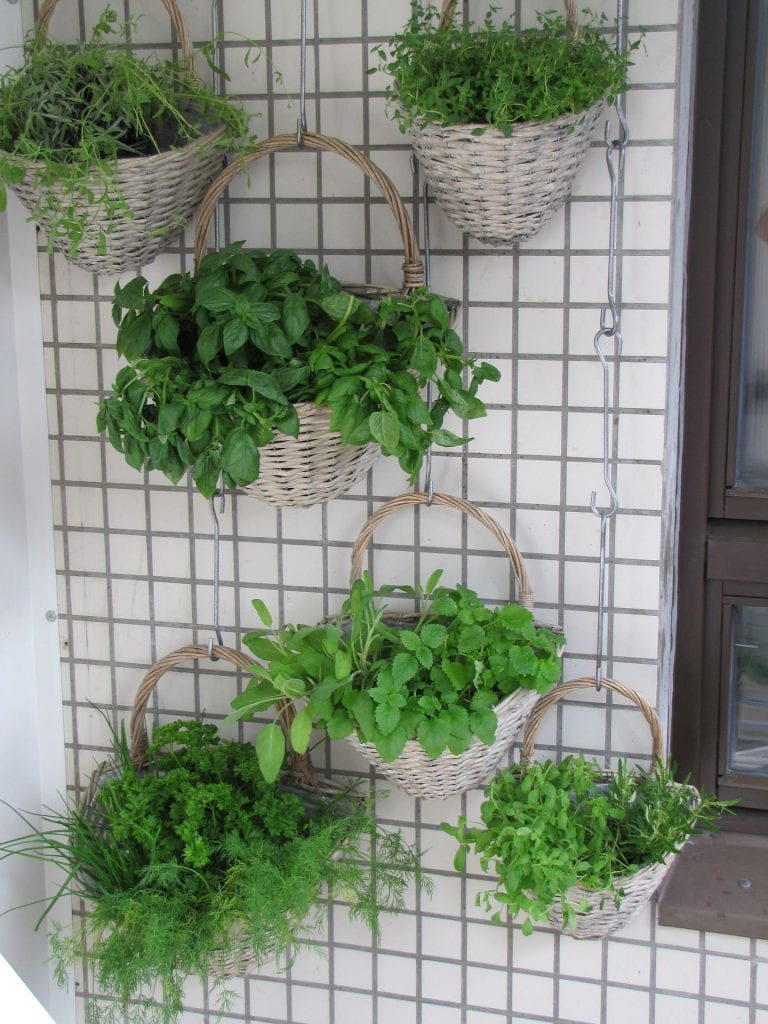
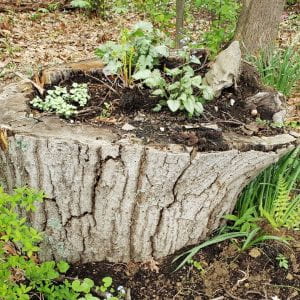
As February comes to an end and we get closer to spring, I am noticing small, underutilized areas in my yard that could use some aesthetic enhancement. Perhaps you have a bare spot, a barren corner, or a rocky slope in your yard that you could dress up with a few plants. If you do, it might be time to develop this un-gardened area by creating a pocket garden! Pocket gardens provide an opportunity to become creative with landscape design by adding plantings in small otherwise unusable areas. They are a wonderful place for flowers, herbs, succulents, and vegetables. They can be used to add color and texture and attract birds and pollinators. Once established a good pocket garden will look like it always belonged there.
Click the link below to learn more.


Our latest newsletter is now available.
Click the link below to read it:
https://www.libraryaware.com/1344/Posts/View/e2ba4392-2fb8-4fcc-bcf3-debcd6103c59?SID=
Join Sue Wiand and learn about how colors effect and reflect your mood, health and state of mind. Get the inside information about how banks, companies, advertisers, and your favorite local restaurant use color to influence the decisions you make and how you spend your money.


Morning glory flowers (Ipomoea purpurea or Convolvulus purpureus) are a common sight in many landscapes and may be found in any number of species within the Calystegia, Convolvulus, Ipomoea, Merremia, and Rivea genera. While some varieties are described as noxious weeds in some areas, the fast-growing vining plants can also make lovely additions to the garden if kept in check. All morning glory plants produce attractive funnel-shaped blossoms of various shades like white, red, blue, purple, and yellow with heart-shaped leaves. Blooming usually occurs anywhere from May through September, opening in the morning and closing in the afternoon. Most types are annual, though in some warmer regions they will come back yearly or may re-seed themselves in almost any zone they grow in. How to Grow Morning Glory Flowers Growing morning glories is easy. They’re great for containers when provided with a trellis or placed in a hanging basket. Morning glories prefer full sun but will tolerate very light shade. The plants are also well known for their tolerance to poor, dry soils. In fact, the plant can easily establish itself in any slightly disturbed area, including garden edges, fence rows, and roadsides where the vine is commonly seen growing. Even with the plant’s tolerance of poor soil, it actually prefers well-draining soil that is moist, but not soggy.
When to Plant Morning Glories Morning glory plants are easily started by seeds sown directly in the garden after the threat of frost has passed and the soil has warmed up. Indoors, the seeds should be started about four to six weeks before the last frost in your area. Since morning glories have relatively hard seed coats, you should soak the seeds in water overnight or nick them before sowing. Sow the seeds of morning glory about ½ inch (1 cm.) deep and give them about 8 to 12 inch (15-31 cm.) spacing. Once plants have reached about 6 inches (15 cm.) or so in height, you may want to provide some type of support for the vine to twine around. Those planted in hanging baskets can simply be left to spill over the container’s edge. Care of Morning Glory Plants The care of morning glory plants is also easy. In fact, once established they require little attention. Ideally, the soil should be moist, but not wet. Water them during dry periods, once or twice per week. Container plants may require additional watering, especially in warmer regions. To reduce re-seeding and control unwanted spreading, simply remove spent blooms as they fade or all the dead vines after the first killing frost in fall.
https://www.gardeningknowhow.com/ornamental/vines/morning-glory/growing-morning-glories.htm








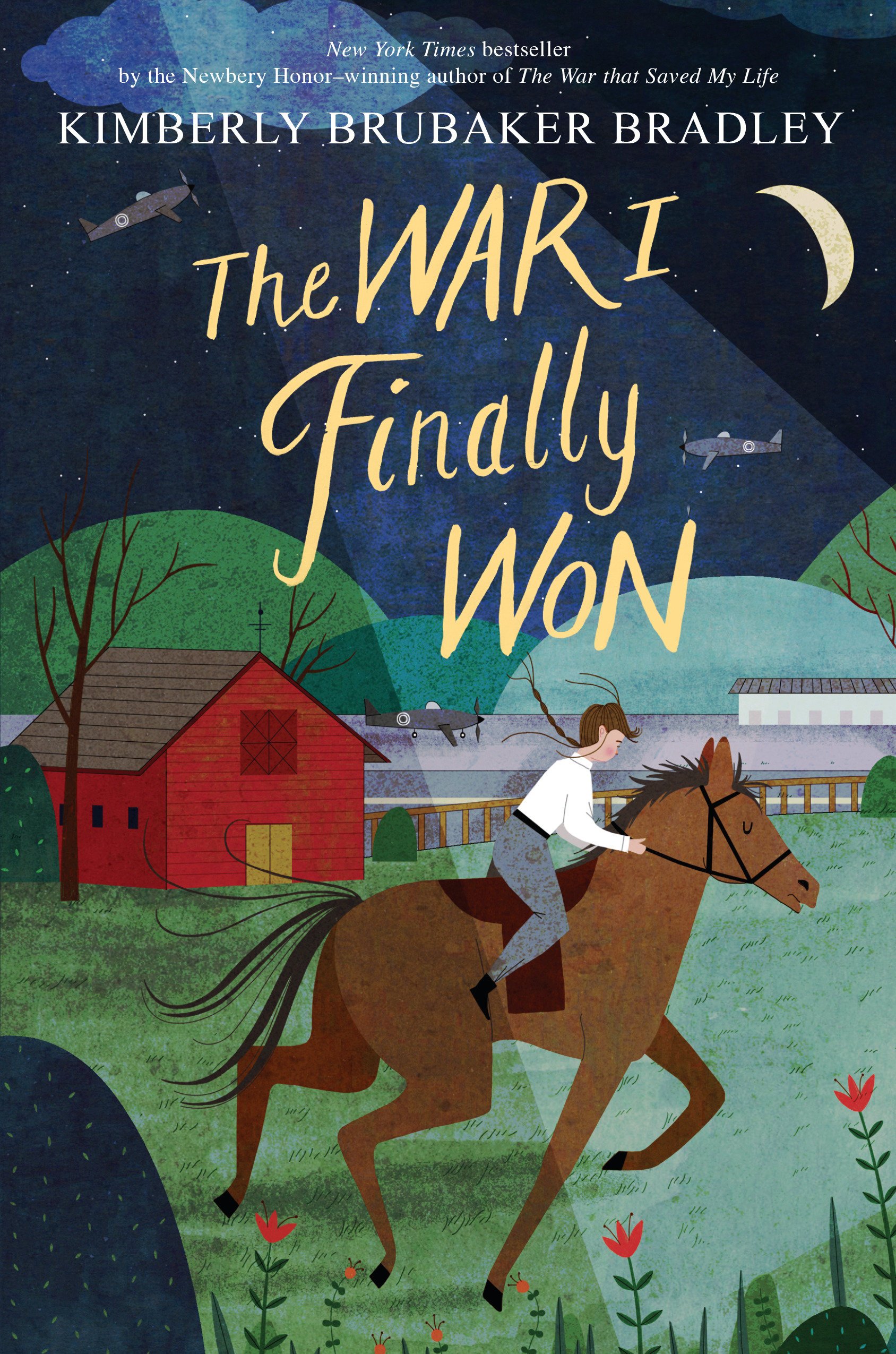
Recently I wrote about The War That Saved My Life. This time I will tell you about The War I Finally Won. Both books are by Kimberly Brubaker Bradley and they are terrific. Find them in the children’s chapter book section of the Pine Bush Area Public Library. They are as good as a Time Machine for taking you out of yourself, and back to the early 1940s in England.
In The War I Finally Won, World War II is heating up. Ada and Jamie are evacuees from the East End of London. Susan Smith’s little cottage in Kent has been destroyed in a bombing raid. Lady Thorton remembers that the gatekeeper’s cottage is standing empty, so now they have a place to live. They are settling in when Lady Thorton shows up on their doorstep. Thorton Hall has been commandeered by the British military, and Lady Thorton must move in with Susan, Ada and Jamie. Whether they want her, or not.
Lady Thorton is not an easy person to live with. She becomes worse when Lord Thorton brings Ruth, a German girl, to live with them and to learn advanced maths from Susan. This goes over like a lead balloon. Lady Thorton does not realize that there is a difference between German Jews who escaped from Germany by the skin of their teeth, and German soldiers. She has no tolerance and things get prickly.
Lady Thorton has sent her daughter Maggie to a miserable boarding school in the North of England. Her son Jonathan is a fighter pilot with the RAF. Lady Thorton has a lot on her plate, but then, so does Ada who is the hero of the story. Watch what happens when Jonathan sneaks home during vacation, and Maggie, Ada and Ruth join him for an early morning horse ride. One of the horses is startled and runs away and— woops, can’t tell you any more. Then there’s the time Ada and Lady Thorton are fire-watching on the roof of the church, and an enemy plane is shot down.
“It fell in a long, burning arc. It roared straight past the steeple, missing us by feet, not miles, and crashed with a horrible squeal of twisted metal and a shattering of bricks and glass right into the village main street.”
You must get this book and read it for yourself. It’s a good complex book, with multiple levels to it. On the back, it says “Ages 9 to 12” but as a grownup, I find it completely enthralling. You read it, and the book feels like it’s happening to you. Follow Ada, and find out about The War I Finally Won.



Call 845-744-4265 ext. 2 to register.
TODDLER TIME WITH MISS LUCY
(Ages 2 – 3 years with 1 adult)
Mondays March 7th – 28th
10:30 am
PRESCHOOL STORYTIME WITH
MISS CHRISSY
(Ages 3 – 5 years with 1 adult)
Wednesdays March 2nd – 30th
10:30 am
MASKS REQUIRED…SOCIAL DISTANCING, SPACE IS LIMITED…
MUST REGISTER IN ADVANCE 845-744-3375 ext. 3
PLEASE NO DROP-INS!
 Pine Bush Area Public Library
You must be logged in to post a comment.