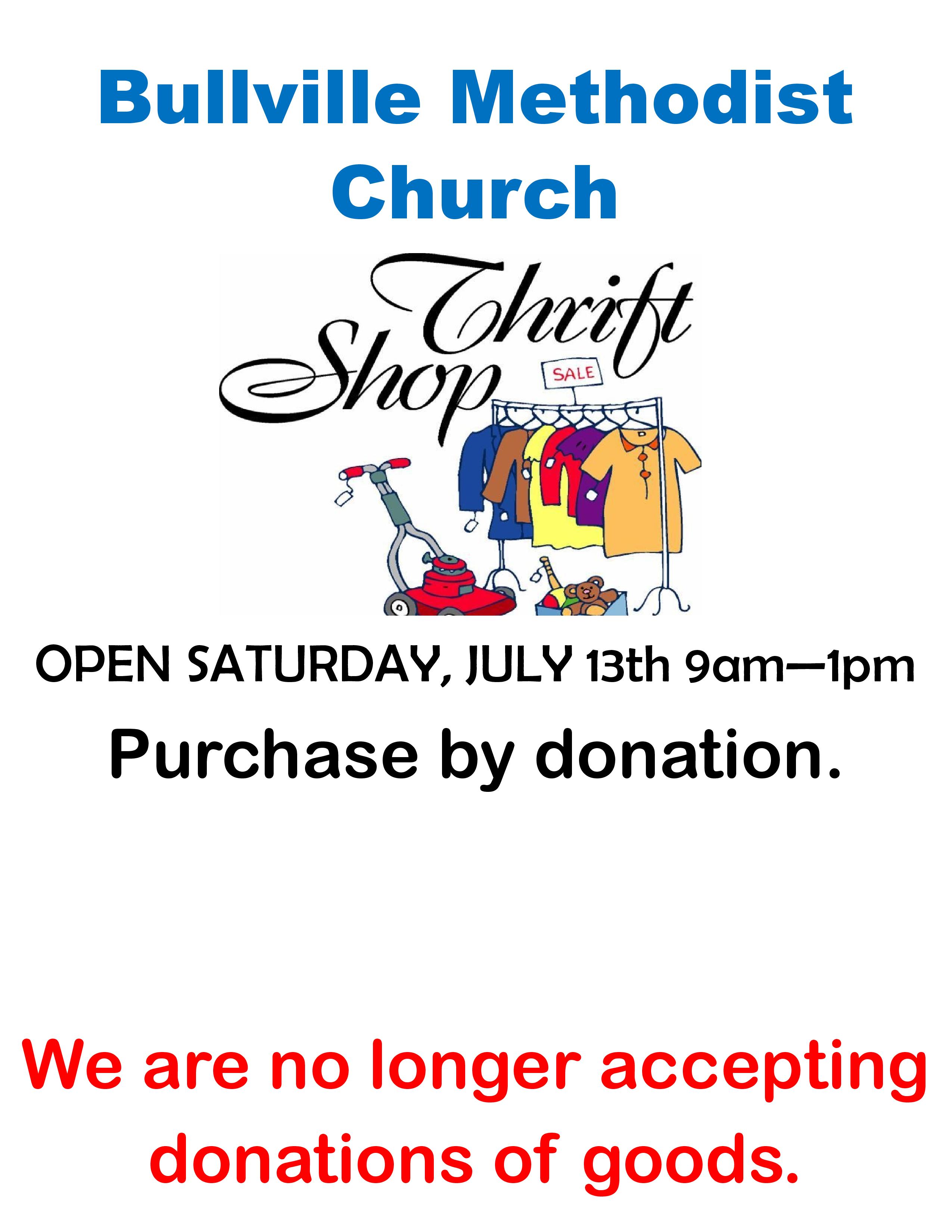
Image

Is anyone interested in Chair Yoga during the week?
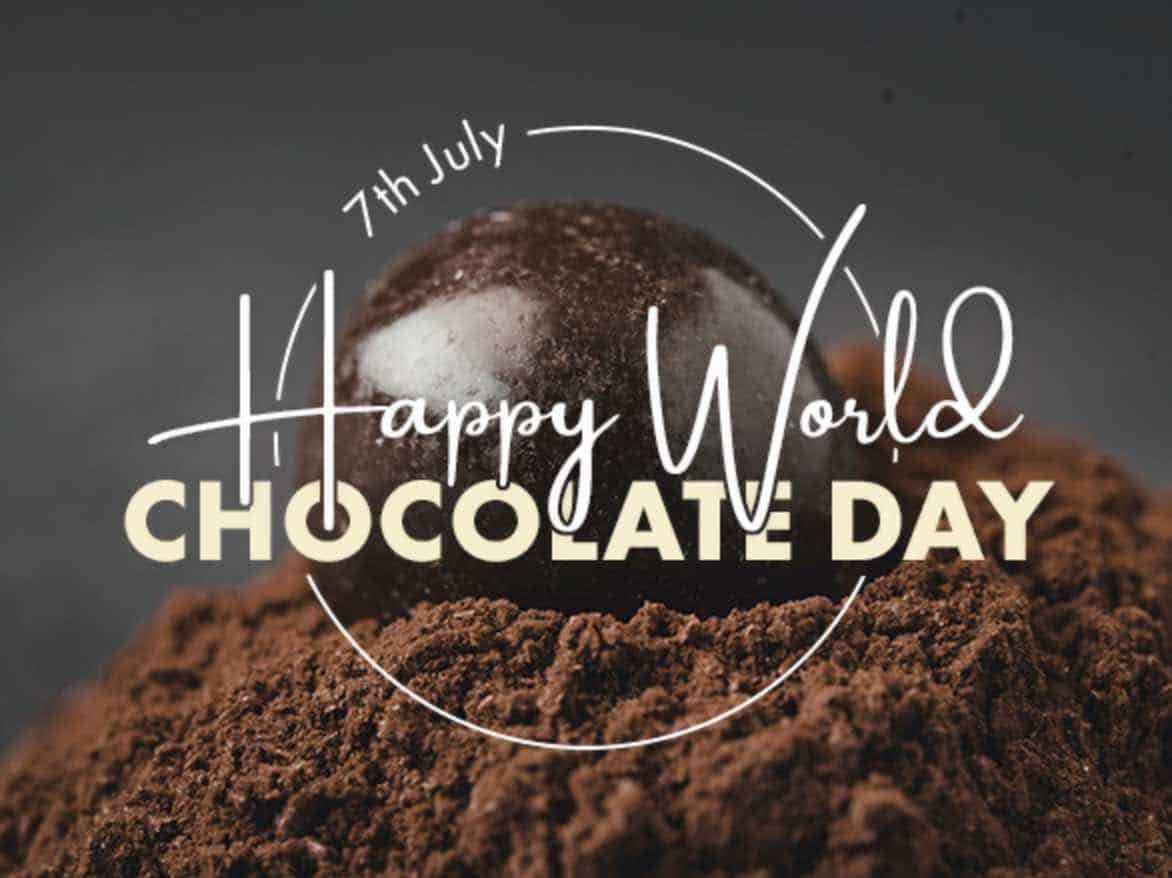
Chocolate comes from the seed of the tropical Theobroma cacao tree. Cacao has been cultivated for at least three millennia and grows in Mexico, Central America, and Northern South America. The earliest known documentation of using cacao seeds is from around 1100 BC.
Since cacao tree seeds have a very intense, bitter taste, they must ferment to develop the flavor. Once fermented, processors dry, clean and roast the beans. After roasting, the shell is removed to produce cacao nibs. The cacao nibs are then put through a grinding process creating cocoa mass, which is pure chocolate in rough form. The cocoa mass is usually liquefied through a process creating chocolate liquor. During this process the chocolate liquor is made into two components: cocoa solids and cocoa butter.
Every year on July 7th, World Chocolate Day allows chocolate lovers around the world to indulge in their favorite treat without any guilt. The day also celebrates all kinds of goodies made from chocolate, including chocolate milk, hot chocolate, chocolate candy bar, chocolate cake, brownies, or anything covered in chocolate.
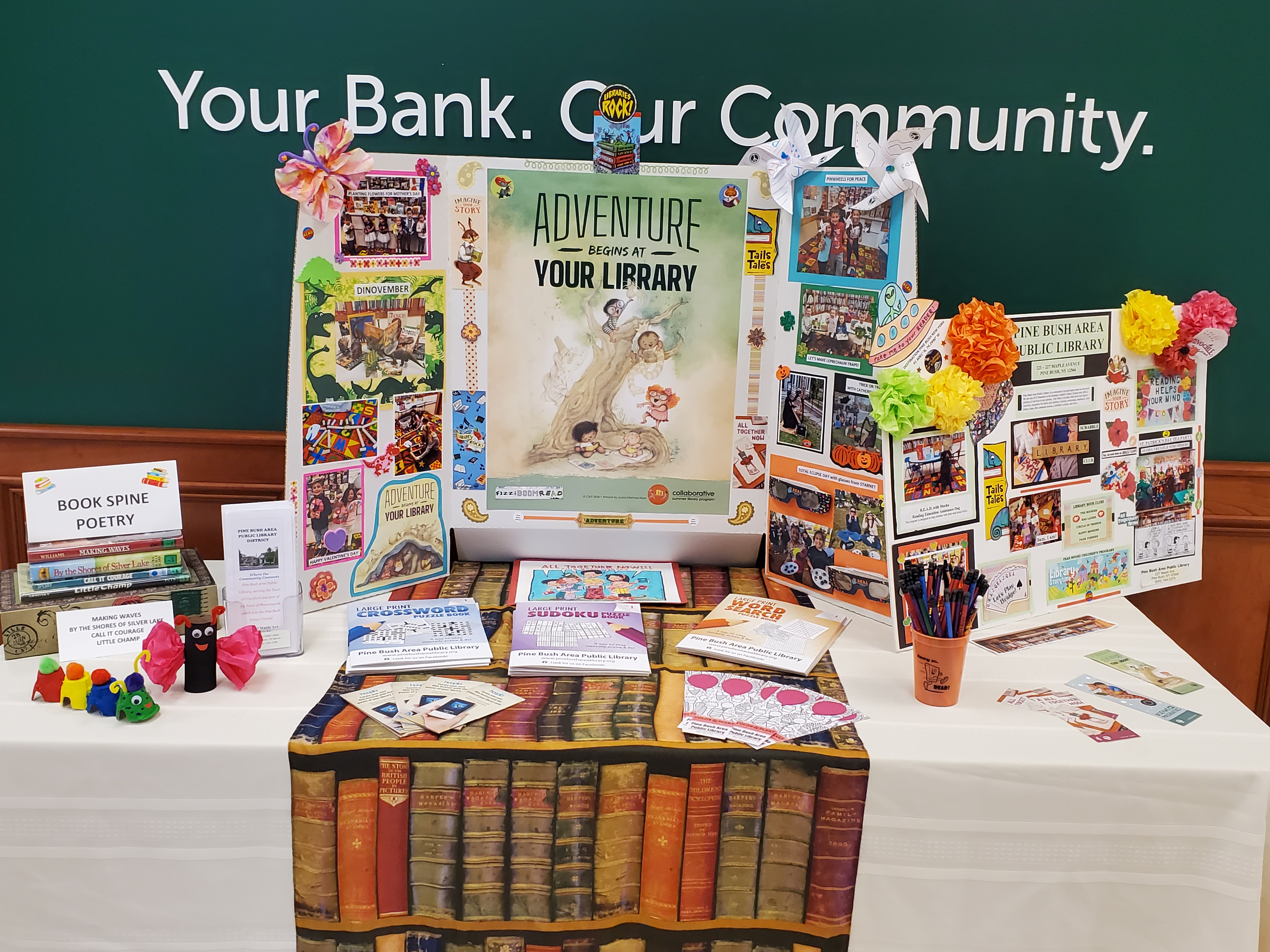
The Pine Bush Library has a display at the Walden Savings Bank for the month of July, Stop in and take a look!
The Fourth of July—also known as Independence Day or July 4th—has been a federal holiday in the United States since 1941, but the tradition of Independence Day celebrations goes back to the 18th century and the American Revolution. On July 2nd, 1776, the Continental Congress voted in favor of independence, and two days later delegates from the 13 colonies adopted the Declaration of Independence, a historic document drafted by Thomas Jefferson. From 1776 to the present day, July 4th has been celebrated as the birth of American independence, with festivities ranging from fireworks, parades and concerts to more casual family gatherings and barbecues. The Fourth of July 2024 is on Tuesday, July 4.
If you’re looking to see some fireworks this long weekend click the link below and see what’s going on in your area.
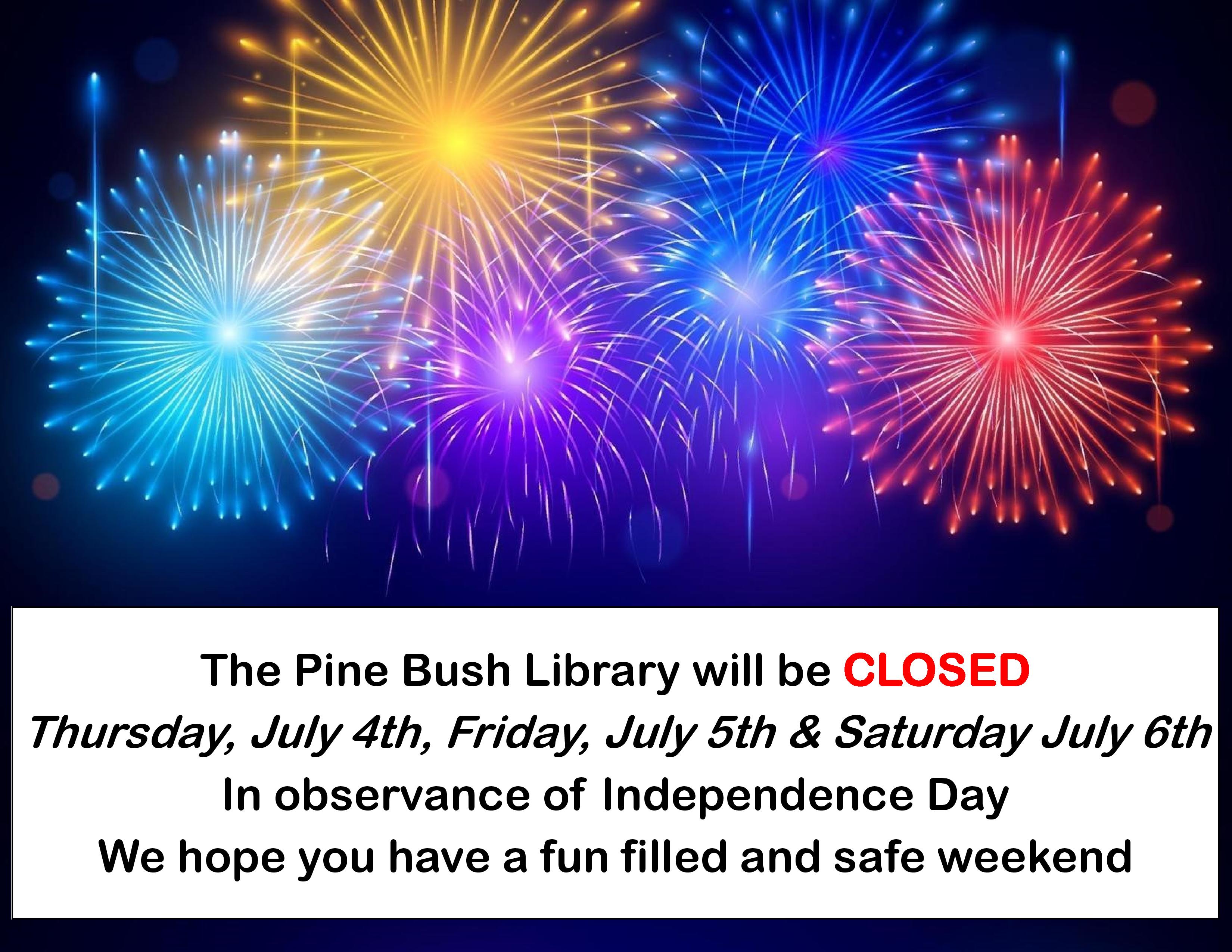

This July, the Summer Reading Program is called Adventure Begins at Your Library. One of the greatest adventures in American life started in 1803 and lasted through 1806. Come along on a great journey—and it’s not fiction, it’s fact!
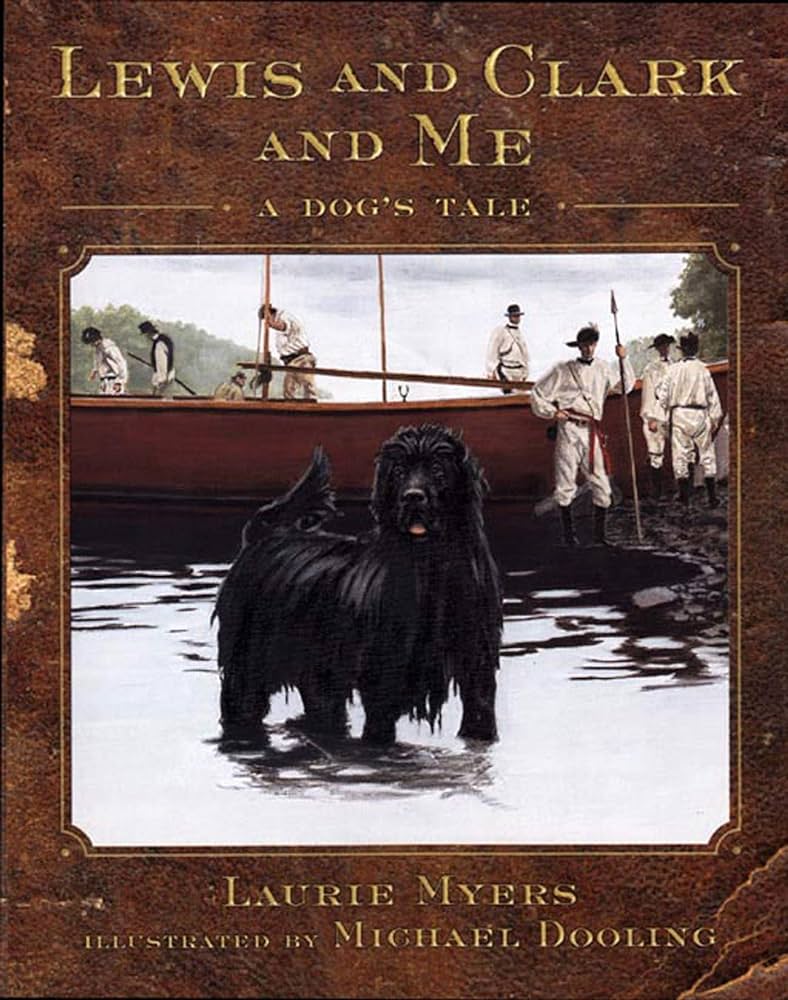
There are three children’s books which I like, about the Lewis and Clark Expedition, in the Pine Bush Area Public Library. Lewis and Clark and Me: A Dog’s Tale is a chapter book by Laurie Myers. It is told from the point of view of Seaman, the Newfoundland dog that belonged to Captain Meriwether Lewis. Lewis, and his friend William Clark, were sent with a company of men to map as much of the Louisiana Purchase as they could, and to find a river route to the Pacific Ocean. President Thomas Jefferson sent them off in 1803, and they returned in 1806. This was before people journeyed west in covered wagons, and before railroad trains were invented. This was before cars, and highways, and before airplanes made it possible to cross the country in a few hours. This adventure took three years.
A Dog’s Tale is told by Seaman, and he is interested in dog things, like hunting beavers and deer, and turning aside a buffalo bull that charged into camp one night. Seaman is devoted to Lewis. He said, “Lewis and I would have been close anywhere, but the wilderness brought out the best in both of us. We were made for that territory…Sometimes I think that Lewis preferred the wilderness to people. (The wilderness) was perfect for both of us.”
Seaman talks about York, also. “Indians would come to camp just to see us…They thought he was somehow magical.” York was the black slave owned by Captain William Clark. The book about him is titled My Name is York. This picture book is about York’s journey with the company and his quest for freedom from slavery. The Indians were fascinated by York, and called him Great Medicine. (Medicine and Magic were nearly the same thing.) York talks about Sacajawea, the Indian woman who was their interpreter. “On a morning brittle with cold, she delivers a son. We rejoice in his health and newness.”
In the Junior Biography section there is the book Who Was Sacajawea? I have read it before this, and it is a great book. The Expedition would have come to grief if she had not been with them. So there are at least three children’s books about the members of the Lewis and Clark Expedition in our library, and you can find books about the Louisiana Purchase in the children’s non-fiction section, also. It has been 221 years since these people set out on their journey of discovery. If you want a great adventure, come to the Pine Bush Area Public Library and follow Lewis and Clark.
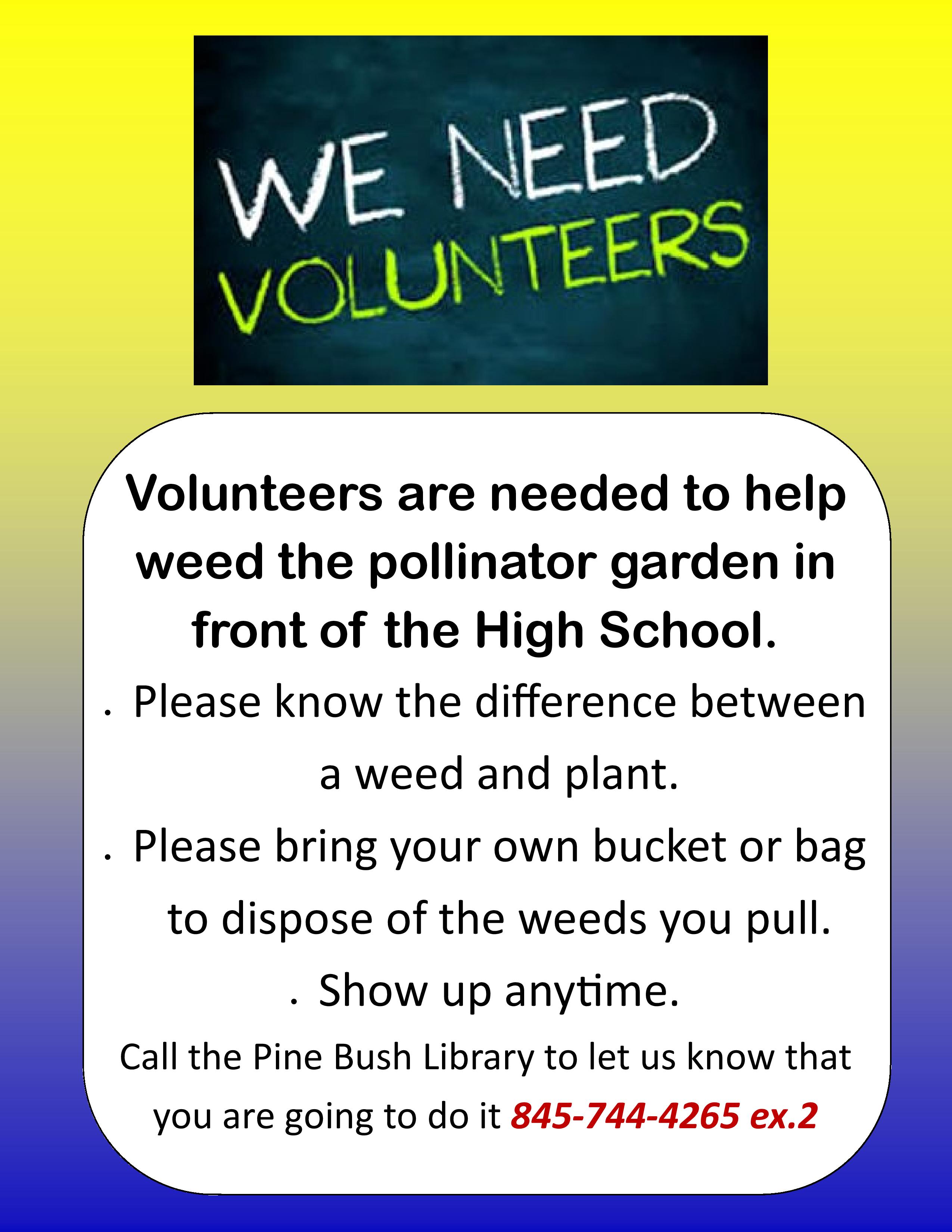
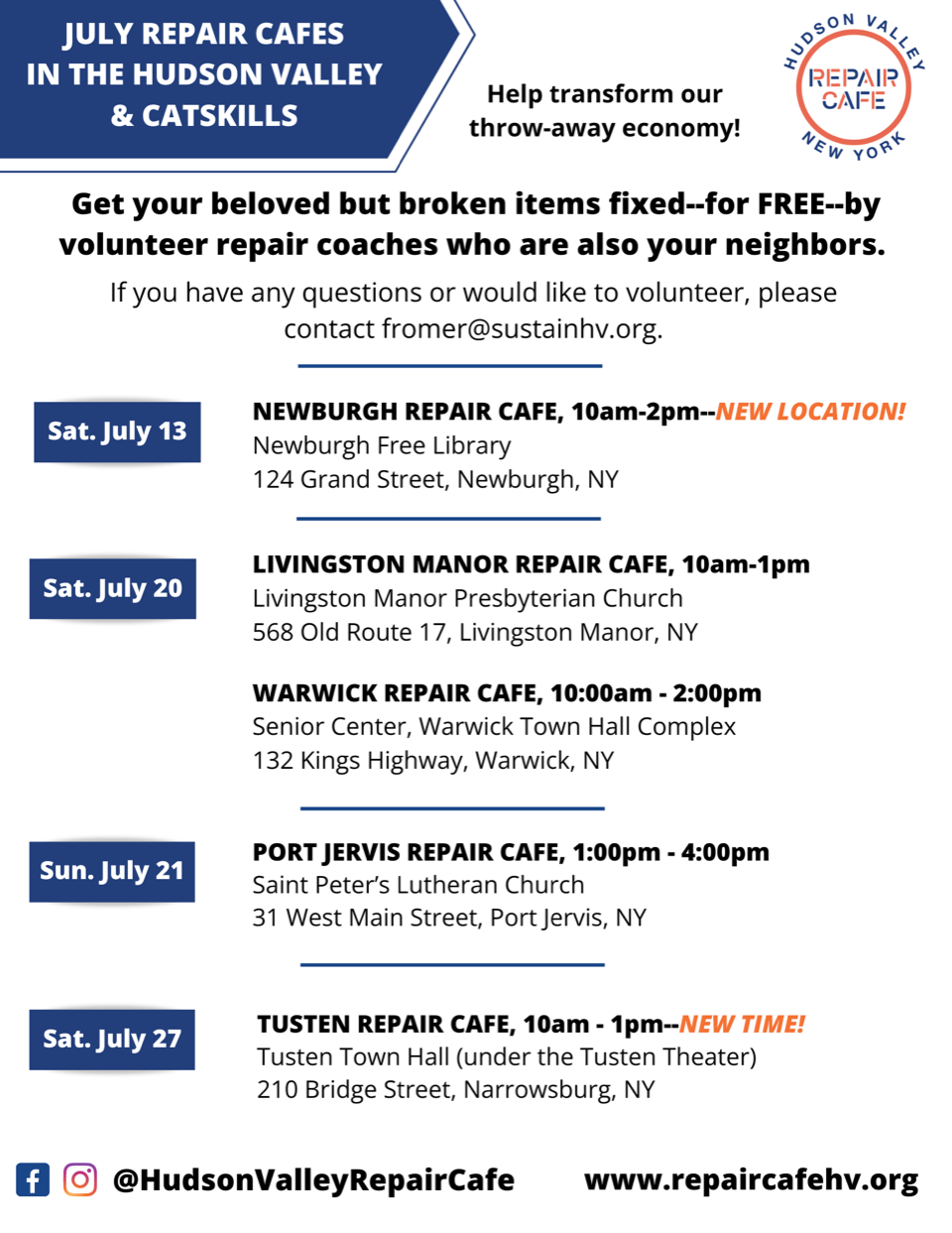
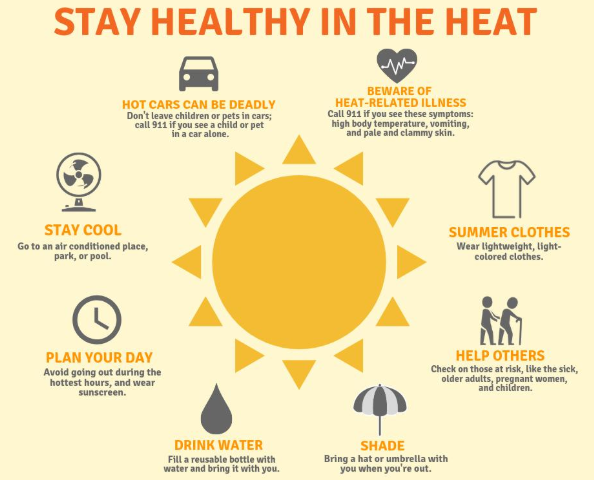

Would any of you be interested in us having a program along these lines?
Let us know.



Don’t forget to take a look at our newsletter to find out about all the exciting summer programs at the Pine Bush Library.
If you would like our newsletter sent directly to your inbox twice a month send us an email PBL@rcls.org or sign up in person the next time you stop in.

Slavery in the United States can be traced back to the 16th century when Spanish explorers brought African slaves with them to the New World. It lasted until the Emancipation Proclamation came into effect on January 1, 1863. On that date Texas was largely controlled by forces fighting for the Confederate States, which opposed the abolition of slavery.
On June 19, 1865, Union soldiers arrived to take control of Texas and enforce the emancipation of slaves in the state. In Galveston, Texas, the newly freed slaves held large public celebrations and so laid the base for future Juneteenth activities. The word ‘Juneteenth’ resulted from the words ‘June Nineteenth’ being combined together in speech.
After 1865, Juneteenth was mainly celebrated in Texas. Parks have been established on land bought by former slaves to hold Juneteenth celebrations in the Texan cities of Austin, Houston, and Mexia.
Today, it is a federal holiday and a state holiday or observance in more than half of the US states.
Juneteenth celebrations are also held in other countries around the world, including Ghana, Honduras, Japan, Taiwan, and Trinidad and Tobago.
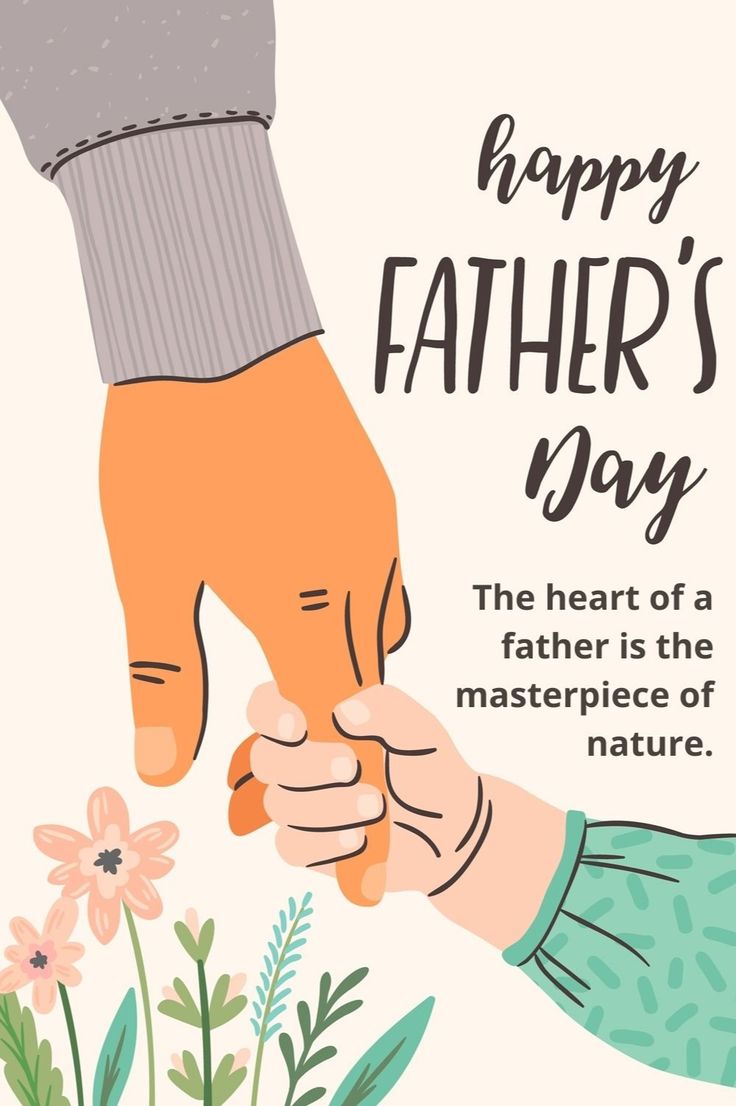
The Staff of the Pine Bush Library would like to wish all the dads out there a HAPPY FATHER’S DAY!

The Pine Bush Library will be CLOSED this coming Wednesday, June 19th for Juneteenth
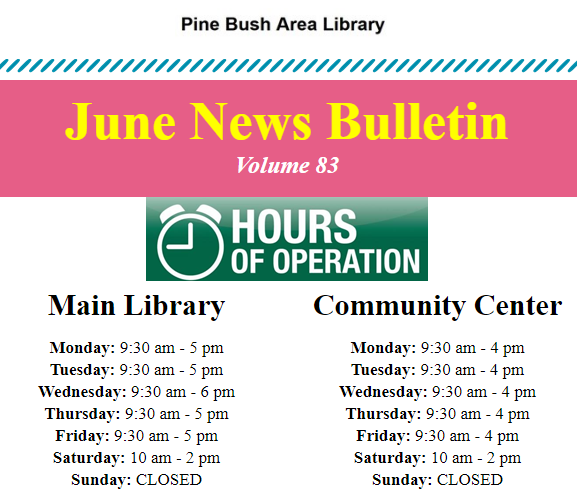
The latest edition of our newsletter has been published!
If you would like to receive a copy of our newsletter delivered directly to your inbox send us an email PBL@rcls.org, send us a message here on Facebook or sign up in person next time you visit.
 Pine Bush Area Public Library
You must be logged in to post a comment.